Best Haircuts for Oval Face with Thick Straight Hair
Long layers, sleek lob; avoid blunt cuts.
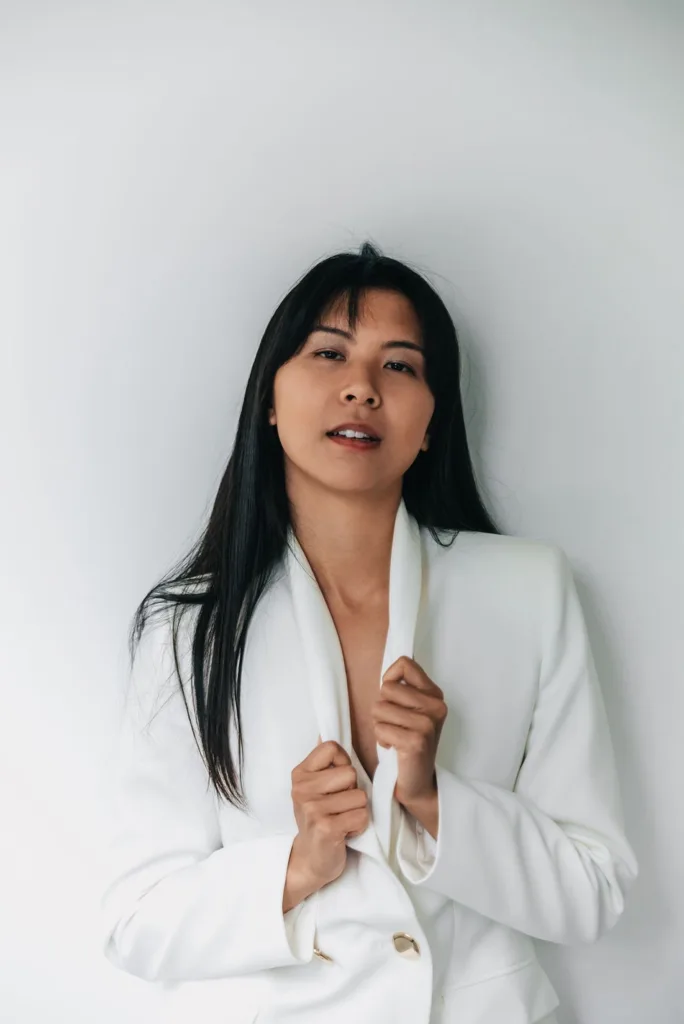
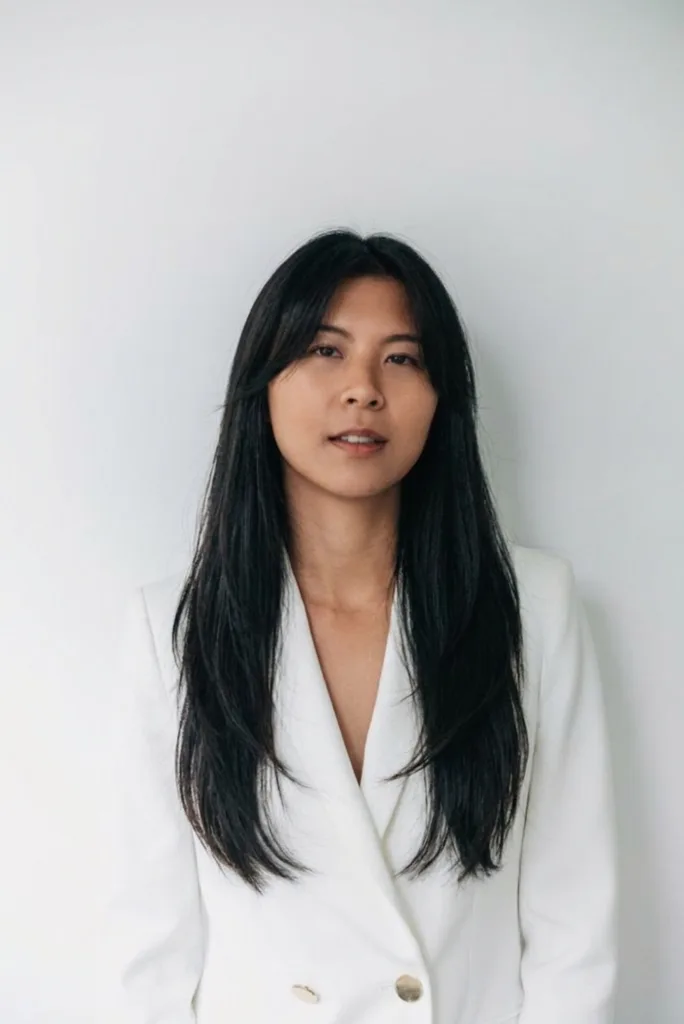

When it comes to haircuts for an oval face with thick straight hair, the goal is to reduce bulk and avoid creating a heavy triangle shape. An oval face doesn't need correction, but thick straight hair can weigh down and form an unflattering silhouette. By focusing on removing excess weight through internal layering and strategic cuts, you can achieve a more balanced and flattering look.
The key is to start layers at the right point and use techniques that lighten the hair without sacrificing length. Whether you prefer long layers with face-framing pieces or a sleek collarbone lob with textured ends, the emphasis should be on keeping the face open and the hair manageable. Remember, while face shape is a guide, your hair type and lifestyle play crucial roles in determining the best cut for you.
See these cuts on your own face
Upload one photo and CutMuse's AI shows hairstyles chosen for your face shape and hair type.
Understanding the Unique Visagism Needs for Oval Faces with Thick, Straight Hair
When it comes to styling thick, straight hair on an oval face, the goal isn't to alter the face shape—it's already well-balanced. Instead, the focus should be on managing the hair's density and weight. Thick, straight hair has a tendency to fall in a heavy curtain, which can make the face appear smaller and less defined. By implementing strategic cuts and layers, you can reduce bulk and create a more flattering silhouette that enhances your natural facial features.
The key to a successful haircut for this combination is to start layering below the chin, typically around 1 to 2 inches (2.5 to 5 cm) down. This allows the hair to fall away from the face, preventing it from becoming a flat curtain. Internal layering is crucial; it lightens the overall weight without sacrificing length. Using thinning shears or a razor can effectively remove bulk while maintaining the hair's natural texture.
It's also important to keep the face frame open. Face-framing pieces should be soft and blend seamlessly with the rest of the hair, avoiding any harsh lines that could draw unwanted attention to the face. These pieces should start just above the cheekbones and extend to the jawline, ensuring they don't overpower the facial features. Remember, while the oval face shape is a guide, your hair type and lifestyle are equally important factors in determining the best cut for you.
Cuts that work
Long layers with face-framing curtain pieces
This cut is specifically designed to manage the bulk and weight of thick, straight hair, which tends to stack and create a curtain effect. By starting long, soft layers below the chin, the hair's weight is distributed more evenly, reducing the likelihood of it turning into a triangle shape. The face-framing curtain pieces not only draw attention to the face but also help in keeping the area around the face open and lighter, which is crucial for maintaining a balanced look with an oval face shape. This style effectively reduces bulk without compromising length, allowing you to enjoy long hair without the heaviness.
What to ask your stylist: Request long layers starting 1-2 inches below your chin with face-framing curtain pieces that fall just past your cheekbones. Ensure the layers are soft and not too defined to maintain a natural flow. Ask for the hair to be thinned slightly at the ends to reduce weight further.
Maintenance: Trim every 6-8 weeks to maintain layer integrity and prevent the hair from growing out too heavy. Use a silk pillowcase to reduce friction and maintain smoothness.
Sleek collarbone lob with textured ends
The sleek collarbone lob is an excellent choice for thick, straight hair as it offers a chic, streamlined look while addressing the issue of bulk. The lightly textured ends add just enough movement to break up the density without creating unwanted volume. This cut keeps the face open by removing excess weight around the jawline, which is particularly beneficial for an oval face shape. The soft side part adds a touch of sophistication and further enhances the face's natural symmetry. This style is low-maintenance yet strikingly elegant, making it a practical choice for everyday wear.
What to ask your stylist: Ask for a straight collarbone-length lob with lightly textured ends. Specify a soft side part and request that the hair be thinned slightly around the face to maintain an open look.
Maintenance: Trim every 8-10 weeks to keep the length consistent and the texture fresh. Use a leave-in conditioner to maintain smoothness and manageability.
A-line bob with internal layering
An A-line bob with internal layering is a fantastic option for thick, straight hair as it provides a flattering, face-framing silhouette while significantly reducing bulk. The internal layers are crucial; they lift the hair away from the scalp without adding volume, which is essential for maintaining a sleek look. This cut draws attention to the face by framing it softly, which is particularly advantageous for an oval face shape. The A-line design ensures that the hair falls naturally, creating a flattering, modern look that's both stylish and practical for managing thick hair.
What to ask your stylist: Request an A-line bob cut just below the jawline with internal layers starting from the ears down. Ensure the layers are subtle to avoid adding volume. Ask for the ends to be slightly textured to enhance movement without weight.
Maintenance: Trim every 7-9 weeks to maintain the A-line shape and layer definition. Use a heat protectant when styling to preserve the cut's integrity.
Cuts to avoid
- Blunt, one-length cuts. A blunt, one-length cut will only amplify the weight and density of your thick, straight hair, turning it into a heavy curtain that frames your face in an unflattering way. This style lacks movement and dimension, making your hair appear even thicker and your face shape less defined.
- Extremely short pixie cuts. While a pixie cut can be flattering for many face shapes, an extremely short cut might not suit your thick, straight hair well. It can make your hair look even thicker at the ends and may not provide the softness and movement you desire. It’s crucial to find a balance that enhances your face shape while managing your hair’s density.
- Heavy bangs that cover the forehead completely. Heavy bangs that completely cover the forehead can weigh down your face and obscure your features, which is especially problematic with thick, straight hair. Opting for lighter, wispy bangs or side-swept fringe can keep your face open and your features highlighted, ensuring a more balanced and flattering look.
Styling tips
- Use a texturizing spray or mousse to add grip and reduce the slickness of your thick, straight hair, creating a more lived-in, effortless look.
- Incorporate soft, face-framing layers to draw attention away from the thickness of your hair and towards your facial features, enhancing your oval face shape.
- Opt for a side part to add dimension and movement to your hair, breaking up the uniformity of thick, straight locks.
- Finish your style with a lightweight serum to smooth flyaways without adding extra weight or making your hair look greasy.
Frequently asked questions
How often should I get my haircut to maintain the style?
To maintain the integrity and shape of your haircut, especially with long layers or a collarbone lob, it’s recommended to visit your stylist every 6 to 8 weeks. This cadence ensures that your layers remain fresh, and any overgrown sections are trimmed, preventing your hair from turning back into a heavy curtain.
Can I style my hair up with this cut?
Absolutely, styling your hair up is a great option with these cuts. Whether it’s a sleek ponytail, a messy bun, or elegant twists, styling your hair up can offer a refreshing change while still highlighting the cut’s features. Just ensure to use the right products to maintain the texture and avoid making your hair look too flat or heavy.
What’s the best way to dry my hair to enhance the cut?
To enhance the cut, dry your hair with your head flipped upside down, using a round brush to lift the roots and add volume at the crown. This technique helps in elongating your face and giving your hair a more lifted appearance, counteracting the weight of thick, straight hair.
How can I add more volume to my hair without it looking too bulky?
To add volume without making your hair look too bulky, focus on the roots. Use a volumizing mousse or dry shampoo at the roots before blow-drying. Additionally, consider getting a crown lift from your stylist, which adds height at the top of your head without adding weight to the lengths, maintaining the balance and lightness of your cut.
Photos: the "before" image is a stock photo (PNW Production, Pexels); the "after" images are AI-generated edits of that photo, shown to illustrate the cut. Real results depend on your hair.