Optimal Haircuts for Oval Face Shape with Thick Curly Hair
Try a rounded curly shag or dry curly lob; avoid triangles.
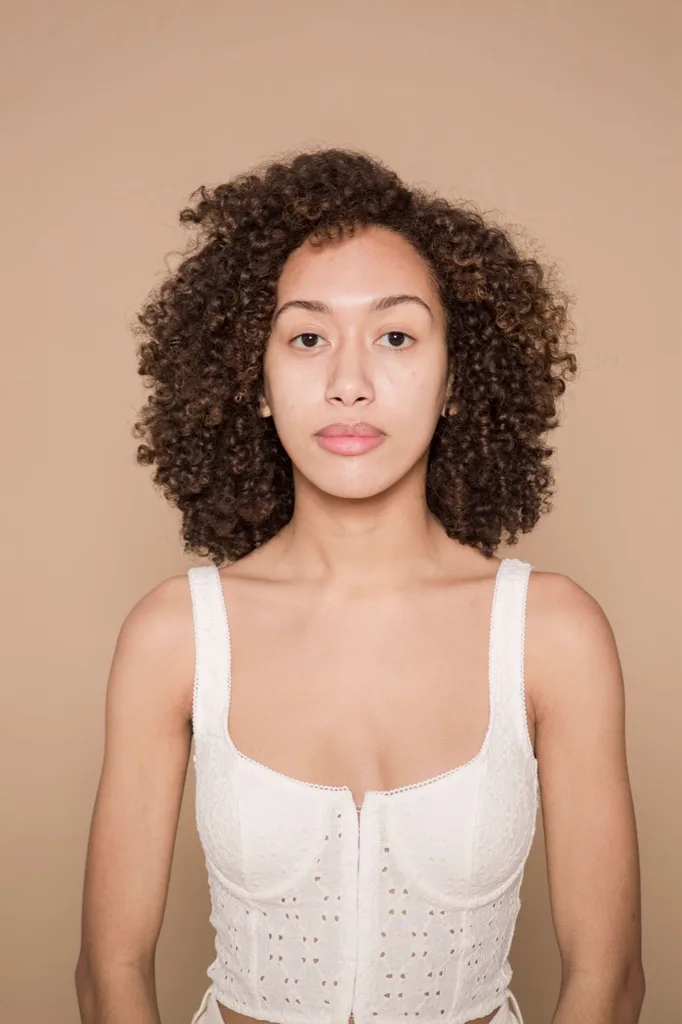
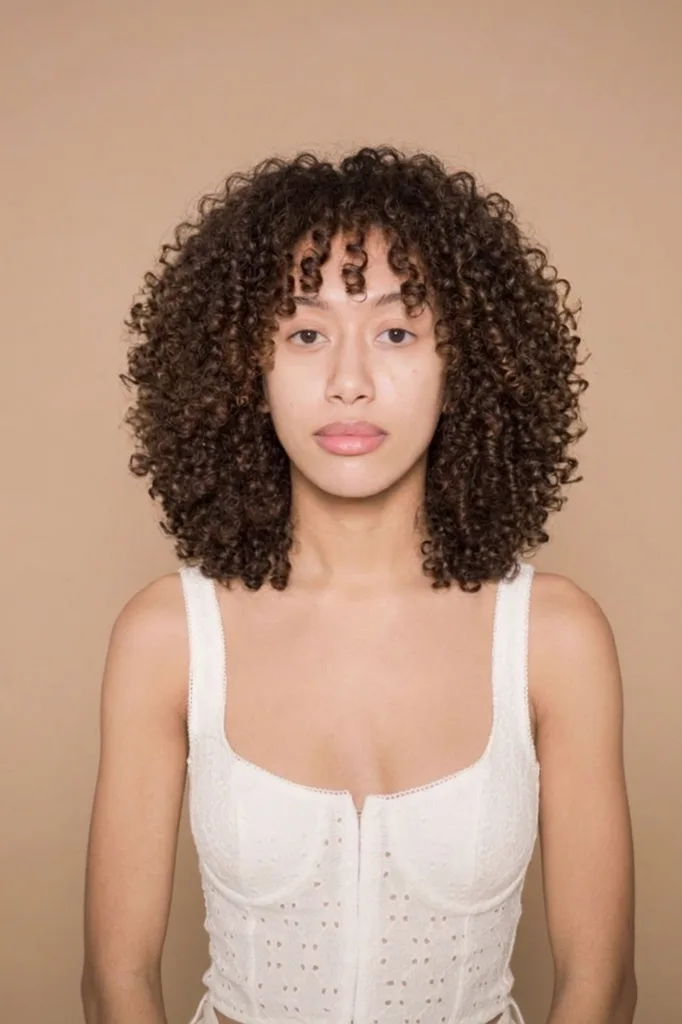
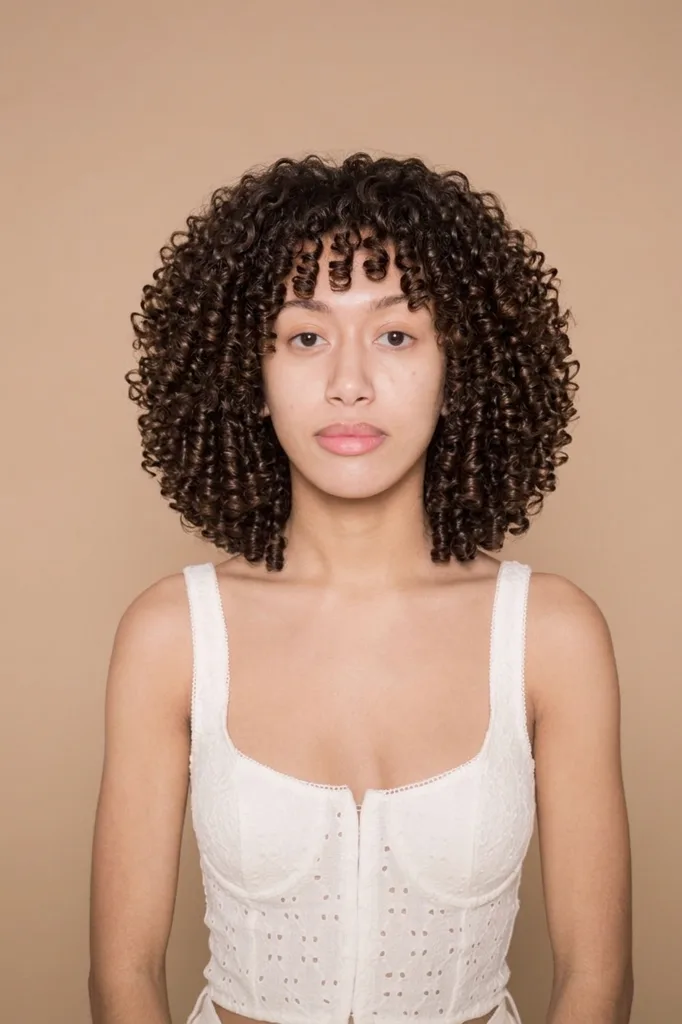
When choosing haircuts for an oval face with thick curly hair, the curl pattern and shrinkage play a more significant role than the face shape itself. Understanding how your curls behave when dry—often appearing 30-50% shorter—is crucial. This guide focuses on techniques like dry cutting curl by curl, considering the silhouette (rounded vs. triangular), and how density affects layering. While an oval face offers versatility, the key is to let your curl pattern and hair density guide the cut.
Haircuts should complement your lifestyle and hair type as much as your face shape. For thick curly hair, the goal is to enhance natural curl definition while managing volume and shape. We’ll explore two hero cuts—the rounded curly shag and the dry curly lob—that work exceptionally well with oval faces. These styles not only flatter the face shape but also respect the unique characteristics of thick curly hair.
See these cuts on your own face
Upload one photo and CutMuse's AI shows hairstyles chosen for your face shape and hair type.
Visagism Reasoning for Oval Face with Thick Curly Hair
When considering haircuts for an oval face with thick curly hair, it's crucial to understand that the curl pattern and shrinkage play a more significant role than the face shape itself. An oval face is often celebrated for its versatility, but with thick curly hair, the focus should be on how the curls behave when dry. This is where the concept of shrinkage becomes vital. Curly hair can appear 30-50% shorter when dry compared to when it's wet, which means the cut you choose must account for this change.
The silhouette of the haircut is another critical factor. For thick curly hair on an oval face, a rounded silhouette is generally more flattering than a triangular one. This is because a rounded cut complements the natural face shape and helps maintain a balanced look. When cutting thick curly hair, the stylist should employ a dry cutting technique, addressing each curl individually to ensure the final shape is achieved. This method allows for precise control over the haircut's outcome, especially considering the density and texture of the hair.
Layering is a technique that can be adjusted based on the density of your hair. For thick curly hair, strategic layering can help manage volume without losing the curl definition. It's important to start layering at the appropriate point—typically around 6-8 inches from the scalp—to maintain the curl pattern and avoid creating a mushroom effect. The goal is to enhance the natural curl while ensuring the haircut suits the oval face shape. Remember, while the oval face shape provides a good foundation, the true key to a successful haircut lies in understanding and working with your hair's unique curl pattern and density.
Cuts that work
Rounded curly shag with face-framing curls
This cut is designed to enhance your natural curl pattern while providing a flattering silhouette for your oval face. By cutting the hair in a rounded shag style, you create movement and volume that complements your thick, curly hair. The face-framing curls soften the jawline and add a feminine touch. This style takes into account the shrinkage your hair experiences when dry, ensuring that the length and shape look perfect once styled. The defined ringlets add texture and prevent the cut from looking too uniform, making it a versatile and low-maintenance option.
What to ask your stylist: Request a rounded shag cut starting at 14 inches at the back, gradually decreasing to 10 inches around the face. Ensure the face-framing curls are cut to about 8 inches. Ask for the cut to be done dry, curl by curl, to account for shrinkage.
Maintenance: Trim every 6-8 weeks to maintain the shape and prevent split ends. Use a curl-enhancing cream to define the ringlets.
Curly lob cut dry
The curly lob cut, when done dry, is tailored to your thick, curly hair, ensuring that the final style is neither too long nor too short once it dries. This cut creates a rounded silhouette that flatters an oval face without adding unnecessary volume. The defined ringlets provide texture and prevent the cut from looking flat. By cutting the hair dry, your stylist can accurately judge the length and shape, accounting for the 30-50% shrinkage your curls experience. This results in a cut that looks consistently great, whether your hair is wet or dry.
What to ask your stylist: Ask for a lob cut just above the shoulders, around 16 inches at the back, with the cut done dry to account for curl shrinkage. Ensure the silhouette remains rounded and avoid any triangular shaping.
Maintenance: Trim every 8-10 weeks to keep the length and shape. Use a leave-in conditioner to keep curls hydrated and defined.
Curly layered bob with blunt fringe
This cut is specifically designed to manage the volume and curl pattern of your thick, curly hair while providing a chic, modern look. The layered bob allows for movement and reduces bulk, making it easier to style and maintain. The blunt fringe frames the face and balances the oval shape, drawing attention to your eyes. Cutting this style dry ensures that the layers and fringe look perfect once your hair is styled, accounting for the natural shrinkage of your curls. This cut is low-maintenance and versatile, suitable for various occasions.
What to ask your stylist: Request a layered bob cut at 12 inches at the back, with layers starting at 8 inches. Ask for a blunt fringe cut to frame the face, ensuring the cut is done dry to accommodate curl shrinkage.
Maintenance: Trim every 7-9 weeks to maintain the layers and fringe. Use a curl-defining mousse for hold and shape.
Cuts to avoid
- Overly layered haircuts. With thick curly hair, overly layered haircuts can lead to a frizzy, unkempt appearance. The dense curls can become weighed down by too many layers, losing their natural shape and volume. Instead, focus on a few well-placed layers that enhance the curl pattern without overwhelming it.
- Blunt, uniform cuts. A blunt, uniform cut can exacerbate the shrinkage effect of curly hair, making it appear shorter and less voluminous when dry. This style doesn't account for the curl pattern and how it changes from wet to dry. Opt for a cut that embraces the natural curl pattern and shrinkage.
- Cuts that create a triangle shape. A triangle shape can draw attention to the width of an oval face, which might not be the desired effect. For thick curly hair, a rounded silhouette is more flattering as it complements the natural curl pattern and maintains a balanced look.
Styling tips
- Use a wide-tooth comb to detangle hair when wet, starting from the ends and working your way up to avoid breakage.
- Apply a curl-enhancing cream or gel after washing to define curls and reduce frizz, scrunching the product into your hair with your hands.
- Consider using a diffuser attachment on your hairdryer to dry hair, which helps maintain curl definition and reduces drying time.
- Refresh curls on non-wash days with a lightweight micellar water spray and scrunching to regain shape and reduce frizz.
Frequently asked questions
How often should I get my haircut to maintain my style?
For thick curly hair, it's recommended to get a trim every 8-10 weeks. This maintenance schedule helps manage the curl pattern, prevent split ends, and keep the haircut looking fresh. Regular trims also allow your stylist to adjust the cut as your hair grows, ensuring the style remains flattering and manageable.
Can I grow out my haircut without it looking awkward?
Growing out a haircut for thick curly hair can be managed with the right approach. As your hair grows, the cut may start to look uneven due to the difference in curl pattern between the new growth and the previously cut hair. To avoid an awkward transition, consider periodic trims to blend the new growth with the rest of your hair. Additionally, using styling products that enhance your curl pattern can help maintain a cohesive look during the growth-out period.
What's the best way to sleep without messing up my curls?
To preserve your curls while sleeping, consider using a silk or satin pillowcase, which reduces friction and helps maintain curl definition. Alternatively, sleeping with your hair in a loose, pineapple-style updo can also help keep curls intact. For added protection, you might want to use a silk or satin scarf or bonnet over your hair.
How do I know if a haircut will suit my curl pattern?
When choosing a haircut for your curl pattern, it's crucial to consult with a stylist experienced in cutting curly hair. They can assess your curl type, density, and face shape to recommend a style that enhances your natural curl pattern. Look for a stylist who understands the importance of dry cutting and how shrinkage affects the final look. Bring photos of styles you like for reference, and discuss your maintenance preferences and lifestyle to find a cut that suits both your hair and your routine.
Photos: the "before" image is a stock photo (Michelle Leman, Pexels); the "after" images are AI-generated edits of that photo, shown to illustrate the cut. Real results depend on your hair.